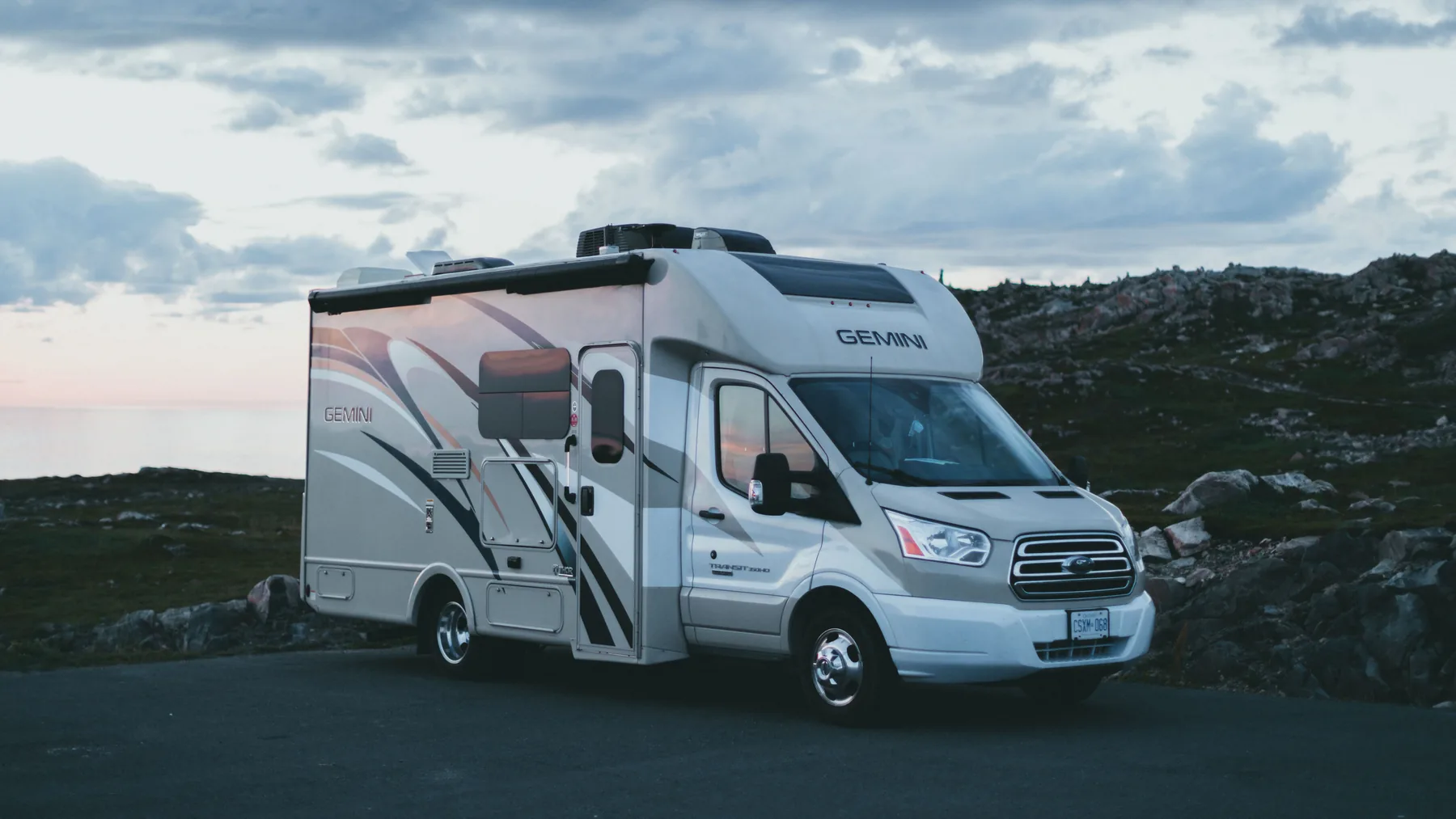
Every spring, thousands of RVs roll out of Yuma at once as snowbirds head home and locals chase cooler air. It is the busiest and, frankly, the riskiest travel window of the year, because a rig that sat parked in desert heat for months does not always want to move. A proper pre-trip inspection is the difference between an easy drive up I-8 and a breakdown on the shoulder in triple-digit heat. This checklist is built for how RVs actually fail here, which is not the same as the generic advice you find written for milder climates.
Start here, because heat plus age plus a rig that sat still is the exact recipe for a blowout. Yuma sun degrades sidewalls even when tires have plenty of tread, and a trailer sitting on the same spot for a season develops flat spots and weak points. Check the date codes, not just the tread; RV tires often age out before they wear out. Set pressures to the load rating in the morning before the heat inflates them, and look hard for cracking on the sidewalls. This one check prevents the most common serious failure we see on departing rigs.
Whether you are driving a motorhome or towing, your cooling system is about to work hard against a headwind of desert heat. Check coolant level and condition, look for belt cracks and rodent damage (pack rats love a parked rig in Yuma), and top off fluids. A tow vehicle straining up the grades out of the low desert with a hot transmission is a classic mid-trip failure that a five-minute fluid check often prevents.
Months of desert heat are rough on the coach. Test the roof AC before you rely on it, check that the fridge cools in both modes, run the water pump and look for leaks at every fitting, and confirm the water heater and furnace fire up. Reseal any roof cracks now rather than discovering them in a rainstorm later. If the rig has been closed up, check for the seal drying and cracking that our climate causes around slides and windows.
Do a full walk-around of lights and signals with a helper, test the trailer brakes and breakaway switch, and inspect the hitch, safety chains, and weight distribution setup. Heat and UV wear on wiring insulation is real in Yuma, so look for brittle or chafed wires at the connectors. A trailer that has not moved since fall deserves extra attention at every connection point.
Check the dates on your fire extinguisher, and test smoke, CO, and propane detectors, which have a hard life in the heat and expire. Verify propane levels and look for leaks at the regulator. Refresh the emergency kit for the route you are driving, because help is a long way apart on the desert stretches of I-8.
Many Yuma RVers book us for a pre-trip inspection precisely because they would rather a professional catch the tire, seal, or brake problem in the driveway than discover it at 70 miles per hour. We come to your site, run the full system, and fix what we find before you leave. For roadside safety planning, the NHTSA RV safety resources are a solid companion to a hands-on inspection.
One Yuma-specific tip that is not on any generic checklist: plan when you drive, not just what you check. Leaving in the cool of early morning spares your tires, engine, and transmission the worst of the heat on the long climbs out of the low desert, and it keeps your house batteries and fridge from fighting a losing battle against a sun-baked coach. If your route takes you up the grades toward Gila Bend or west into California, the difference between a 6 a.m. start and a noon start is real strain on the drivetrain. Combine smart timing with a thorough inspection and you give the rig every advantage on departure day.
The mechanical checks get all the attention, but the departure-day headaches we hear about most often are avoidable paperwork and preparedness misses. Before you leave Yuma, confirm your RV and tow-vehicle registration and insurance are current, that your roadside assistance plan actually covers a rig your size and weight, and that you have the membership numbers saved offline where you can reach them without a signal. Build a real roadside kit for the desert stretches: extra water for people and radiator, a properly rated jack and lug wrench for RV tires, wheel chocks, reflective triangles, gloves, and a headlamp. Cell coverage disappears on long segments of the route out of the low desert, so a paper map or offline navigation and a charged power bank belong in the kit too. None of this is glamorous, but it turns a potential stranding into a minor delay.
Mobile pre-trip RV inspections in Yuma, the Foothills, and the whole service area. We come to you before you go.
Book your inspection a week or two before departure. That leaves time to order any parts and make repairs without scrambling, especially during the busy spring exodus when appointments fill up fast.
Tires are the top failure by far, thanks to heat, UV, and long sits that cause flat spots and sidewall cracking. Dried slide and roof seals and rodent damage in the engine bay are close behind.
RV Roof Maintenance in the Desert: Stop Leaks Before They Start — Mobile RV repair that comes to you across the Yuma area.
Every spring, thousands of RVs roll out of Yuma at once as snowbirds head home and locals chase cooler air. It is the busiest and, frankly, the riskiest travel window of the year, because a rig that sat parked in desert heat for months does not always want to move. A proper pre-trip inspection is the difference between an easy drive up I-8 and a breakdown on the shoulder in triple-digit heat. This checklist is built for how RVs actually fail here, which is not the same as the generic advice you find written for milder climates.
Start here, because heat plus age plus a rig that sat still is the exact recipe for a blowout. Yuma sun degrades sidewalls even when tires have plenty of tread, and a trailer sitting on the same spot for a season develops flat spots and weak points. Check the date codes, not just the tread; RV tires often age out before they wear out. Set pressures to the load rating in the morning before the heat inflates them, and look hard for cracking on the sidewalls. This one check prevents the most common serious failure we see on departing rigs.
Whether you are driving a motorhome or towing, your cooling system is about to work hard against a headwind of desert heat. Check coolant level and condition, look for belt cracks and rodent damage (pack rats love a parked rig in Yuma), and top off fluids. A tow vehicle straining up the grades out of the low desert with a hot transmission is a classic mid-trip failure that a five-minute fluid check often prevents.
Months of desert heat are rough on the coach. Test the roof AC before you rely on it, check that the fridge cools in both modes, run the water pump and look for leaks at every fitting, and confirm the water heater and furnace fire up. Reseal any roof cracks now rather than discovering them in a rainstorm later. If the rig has been closed up, check for the seal drying and cracking that our climate causes around slides and windows.
Do a full walk-around of lights and signals with a helper, test the trailer brakes and breakaway switch, and inspect the hitch, safety chains, and weight distribution setup. Heat and UV wear on wiring insulation is real in Yuma, so look for brittle or chafed wires at the connectors. A trailer that has not moved since fall deserves extra attention at every connection point.
Check the dates on your fire extinguisher, and test smoke, CO, and propane detectors, which have a hard life in the heat and expire. Verify propane levels and look for leaks at the regulator. Refresh the emergency kit for the route you are driving, because help is a long way apart on the desert stretches of I-8.
Many Yuma RVers book us for a pre-trip inspection precisely because they would rather a professional catch the tire, seal, or brake problem in the driveway than discover it at 70 miles per hour. We come to your site, run the full system, and fix what we find before you leave. For roadside safety planning, the NHTSA RV safety resources are a solid companion to a hands-on inspection.
One Yuma-specific tip that is not on any generic checklist: plan when you drive, not just what you check. Leaving in the cool of early morning spares your tires, engine, and transmission the worst of the heat on the long climbs out of the low desert, and it keeps your house batteries and fridge from fighting a losing battle against a sun-baked coach. If your route takes you up the grades toward Gila Bend or west into California, the difference between a 6 a.m. start and a noon start is real strain on the drivetrain. Combine smart timing with a thorough inspection and you give the rig every advantage on departure day.
The mechanical checks get all the attention, but the departure-day headaches we hear about most often are avoidable paperwork and preparedness misses. Before you leave Yuma, confirm your RV and tow-vehicle registration and insurance are current, that your roadside assistance plan actually covers a rig your size and weight, and that you have the membership numbers saved offline where you can reach them without a signal. Build a real roadside kit for the desert stretches: extra water for people and radiator, a properly rated jack and lug wrench for RV tires, wheel chocks, reflective triangles, gloves, and a headlamp. Cell coverage disappears on long segments of the route out of the low desert, so a paper map or offline navigation and a charged power bank belong in the kit too. None of this is glamorous, but it turns a potential stranding into a minor delay.
RV Roof Maintenance in the Desert: Stop Leaks Before They Start — Mobile RV repair that comes to you across the Yuma area.