Home > Blog > Maintenance
Maintenance • August 24, 2026
RV Slide-Out Seal Care in the Yuma Desert
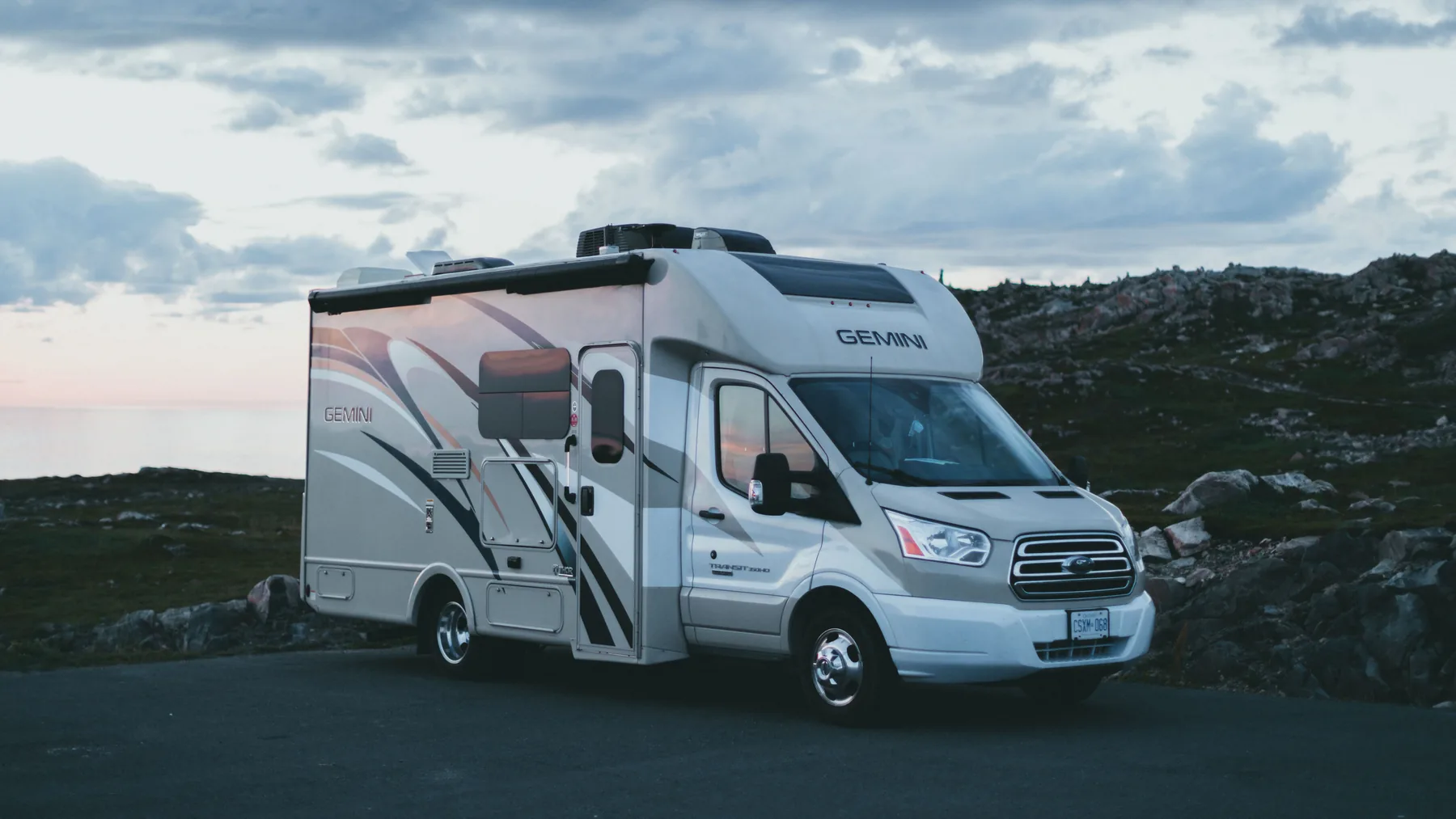
Slide-out seals are one of the most overlooked parts of an RV, and nowhere do they take a worse beating than in Yuma. The same relentless sun that makes our winters so pleasant is quietly cooking the rubber gaskets around your slides every single day, and the fine dust that blows through on a monsoon afternoon works its way into every seam. Neglect those seals and you invite exactly two problems desert RVers dread: water intrusion when the rare heavy rain hits, and a slide that binds, squeals, or tears its own gasket. The good news is that seal care is cheap, fast, and easy once you know the routine.
RV slide seals are usually made of EPDM rubber, a material that holds up well until it is baked. Yuma delivers some of the most intense UV exposure in the nation along with summer surface temperatures that can push rubber past its comfort zone for months. Heat and sunlight drive the plasticizers out of the rubber, and once that happens the seal hardens, shrinks, and cracks. Add the abrasive dust that a monsoon dumps across the Foothills and you have a recipe for seals that fail years earlier than they would in a milder climate.
A dried, cracked seal is not just cosmetic. When the wiper and bulb seals no longer press cleanly against the slide, three things follow. Water finds its way in during the next real storm and rots the floor or the slide framing. Dust and hot air leak in constantly, making the coach harder to cool and dirtier inside. And a hardened seal drags on the slide mechanism, which can strain the motor and gears over time. Replacing a slide floor or a slide motor costs many times what a seasonal seal treatment does.
Keeping seals alive here is simple. Start by cleaning them: wipe both the wiper seals on the outside and the bulb seals on the inside with a mild soap and water solution to lift off dust and grit. Let them dry. Then apply a rubber seal conditioner made for EPDM with UV protection, working it into the full length of each seal and around the corners where they crack first. Extend and retract the slide once or twice so the conditioner spreads evenly and the seal reseats. That is the whole job, and in Yuma it deserves doing every couple of months during the season and after any heavy dust event.
Reach for a dedicated rubber seal conditioner. Avoid petroleum-based dressings and generic tire shine, which can look nice for a week but break rubber down faster in the long run, the last thing you want under this sun. A little dry lubricant on the slide rails and mechanism is also worth doing while you are there, but keep oily products off the rubber itself. When in doubt, a product specifically labeled for RV slide and roof seals is the safe choice in the desert.
While you condition, inspect. Run your hand along each seal feeling for stiff, brittle spots. Look for cracks, gaps at the corners, and any place the seal is no longer making full contact when the slide is in. Check inside the cabinets and along the slide floor for water stains, the early warning that a seal has been letting moisture in. Catching a marginal seal now, before the monsoon or before you drive the rig through real weather on the way north, is far cheaper than dealing with the damage after.
Some seal issues go past a conditioning cloth. If a seal is already torn, permanently deformed, or pulling away from its channel, it needs replacement, and a slide that is binding may have an alignment or mechanism problem rather than just a dry gasket. Because most Yuma rigs are parked in a resort space or storage lot, this is ideal mobile work: we come to your pad, treat or replace the seals, check the slide operation, and make sure everything is watertight without you moving the coach an inch.
Slide seal care is one of the highest-return habits a desert RVer can build. A quarter hour and a few dollars of conditioner several times a season protects a system that costs a small fortune to repair. In a climate as hard on rubber as Yuma's, that little routine is the difference between seals that last the life of the rig and seals that fail you in the middle of your winter here.
Homeowners tend to focus on the vertical wiper seals they can see, but in Yuma the seals on top of the slide take the hardest UV hit of all because they face straight up into the sun. Those slide-topper seals and the sealant along the roofline are the first to check when you are chasing a mysterious leak. When you do your seasonal seal conditioning, get up top safely and inspect the slide-topper fabric and the sealant beads where the roof meets the slide box. Cracked or lifting sealant up there lets water track down inside the slide, and by the time you see a stain on the ceiling the damage is already underway. Treating the top seals and re-caulking suspect roof seams is part of a complete desert seal routine, not an afterthought.
The easiest way to keep seals alive is to tie the task to things you already do. Condition them when you arrive for the season and set up your site, again mid-winter when you are already outside enjoying the weather, and one more time before you pack out in spring for the drive home. Add an extra pass any time a monsoon rolls through and coats everything in dust. Four quick sessions a year, fifteen minutes each, is all it takes to outlast the desert. Compare that to the cost and downtime of a delaminated slide floor, and seal care is easily the best return on effort in the whole rig. If climbing around the coach is not your thing, it is a simple item to hand to a mobile tech during any other service visit.
If you just bought your RV, do not assume the seals are fine because the coach is new. Rigs often sit on dealer lots for months, sometimes in full sun, before they ever reach a Yuma owner, and factory seals are frequently shipped dry. The smartest thing a new owner can do before their first desert season is give every slide, roof, and door seal a thorough cleaning and conditioning right away, then fall into the seasonal rhythm from there. Starting seal care on day one, rather than after the first leak, is how you get the full lifespan out of the rubber in a climate that punishes it harder than almost anywhere else in the country.
Treat your seals like the cheap insurance policy they are, and the Yuma sun will never get the upper hand on your slides. A little rubber conditioner and fifteen minutes, a few times a year, is all that stands between a watertight coach and a very expensive repair.
More often than the factory suggests, because our UV and heat are extreme. Every couple of months during the season is a good rhythm, and always after a dusty monsoon stretch. A quick clean and a coat of proper rubber conditioner takes fifteen minutes and dramatically extends seal life in the desert.
Use a conditioner made for EPDM or rubber seals with UV protection, not a petroleum-based dressing, which can degrade the rubber over time. A dedicated rubber seal conditioner keeps the material flexible so it seats properly against the dust and the rare hard rain we get here.
RV Roof Maintenance in the Desert: Stop Leaks Before They Start — Mobile RV repair that comes to you across the Yuma area.