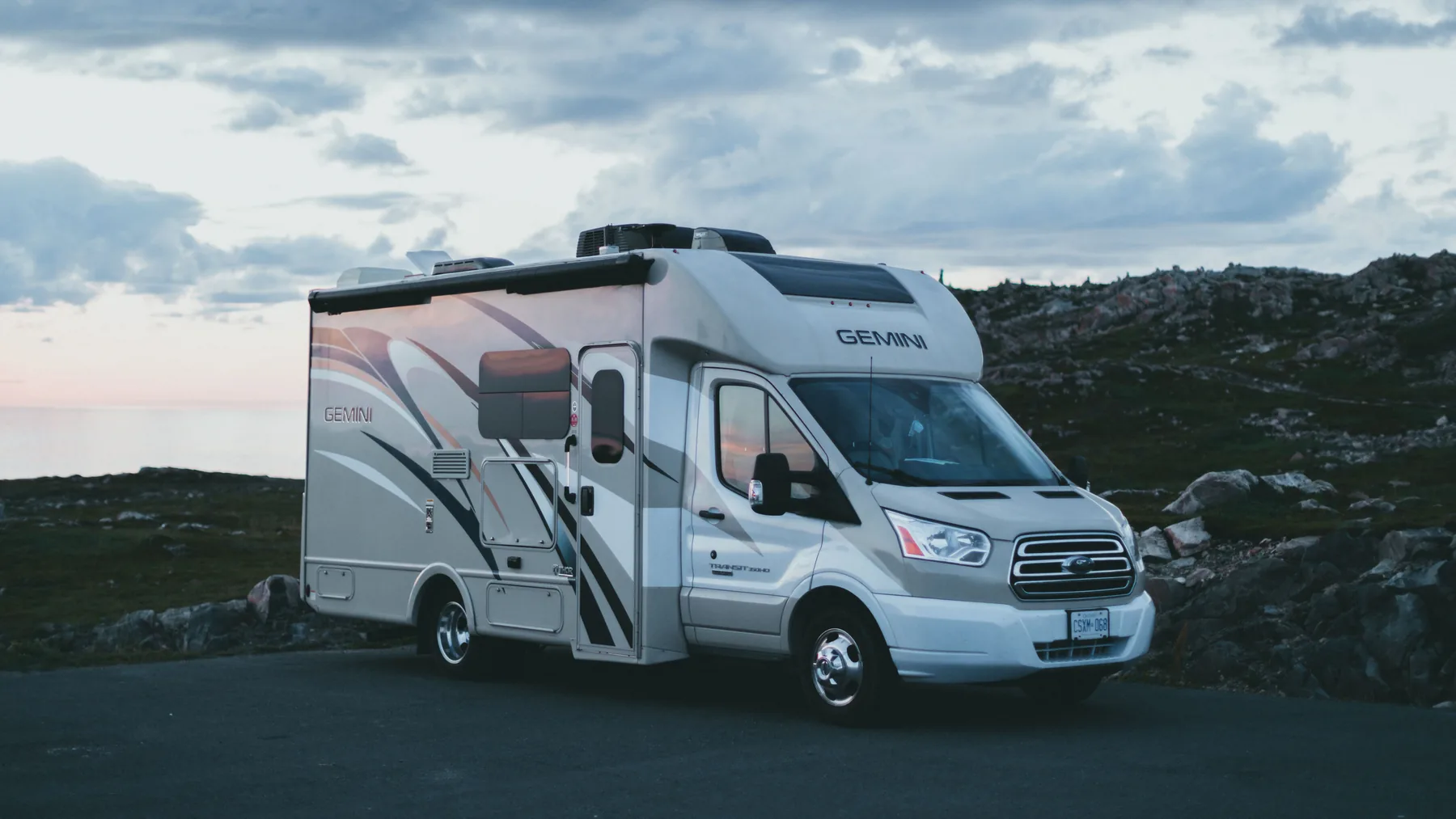
Few RV problems raise the blood pressure faster than a slide-out that quits halfway. Maybe it groans and stops, maybe it clicks and does nothing, maybe it is stuck fully open with weather on the way. In Yuma, where rigs bake all summer and snowbirds cycle their slides hard every fall, this is one of the most common calls we run. The good news is that most stuck slides trace back to a short list of causes, several of them things you can check yourself before anyone comes out. Here is how to think it through.
Slide mechanisms are built to a tolerance, and our climate pushes on every part of that tolerance. Relentless summer UV and 110-degree heat dry out the rubber wipe and bulb seals until they crack, stiffen, and grab. Blown dust and fine grit, especially after a monsoon haboob, settle into the slide rails, gear racks, and rollers and act like grinding compound. Add a rig that sits motionless for months at a Foothills resort and then gets asked to run a heavy slide on the first cool morning, and you have the recipe for the failures we see all season. Understanding that desert context is half of diagnosing the problem.
Before assuming the worst, check power. Slides pull a lot of current, so a weak or low house battery is the number one false alarm. Make sure the battery is charged, the rig is level, and you are following the correct sequence, since many coaches require the ignition on or the parking brake set before a slide will run. Look for a tripped breaker or a blown fuse on the slide circuit, and confirm nothing is physically blocking the room inside or underneath. A surprising number of dead slides come back to life once the battery is topped off and a fuse is replaced.
Slides come in three flavors: electric through-frame gear drives, cable or rack-and-pinion systems, and hydraulic. If you hear the motor hum but the room does not move, you likely have a mechanical bind, a stripped gear, a slipped cable, or debris in the track. If you hear nothing at all, the trouble is usually electrical, a controller, motor, solenoid, switch, or wiring fault. Hydraulic systems add pumps, valves, and fluid level to the list. Naming which category you are in tells a technician where to start and often what parts to bring, which matters when the nearest dealer is a long tow away.
Every slide has a way to move it by hand for exactly this situation. Depending on your system it is a hex crank on the motor, a socket you turn with a drill, or a hydraulic release valve. Retracting the room manually gets you road-ready or protects the interior from rain until a real fix happens. The key word is slowly. Forcing an override against a jammed mechanism can snap a gear or bend the frame, turning a modest repair into a major one. If the override meets hard resistance, stop and get help rather than muscling through it. Manufacturers such as the RV Industry Association members publish system-specific procedures, and your coach manual will show the exact override point for your slide.
Call for help when the motor is silent and the fuses are good, when you hear grinding or the room moves unevenly and racks crooked, when a hydraulic system is leaking, or any time the manual override will not move the slide. These point to failed motors, stripped gears, controller faults, or alignment problems that need proper tools and parts. Because we are fully mobile, we come to your rig wherever it sits, at a Yuma or Fortuna Foothills resort, a driveway in Somerton, or a stop off I-8, so you are not trying to drive a coach with a slide hanging open to a shop across town.
Slide problems are largely preventable in our climate. Clean the tracks and wipe seals a few times a year to clear desert dust, treat the rubber seals with a UV-protectant conditioner so they stay supple through the summer, and lubricate the gears and rails with the manufacturer-approved product rather than a generic spray that attracts grit. Retract the slides when the rig sits unused so the seals are not baking under load, and cycle them occasionally rather than letting them freeze in place for months. A short seasonal service before snowbird season heads off the majority of the failures we get called for.
It is tempting to keep forcing a balky slide and hope it works itself out, but that is how a cheap fix becomes an expensive one. Running a motor against a jammed mechanism can strip the gear rack or burn the motor, and a room that racks in crooked can tear a seal, crack the interior trim, or damage the floor as it drags. Out here, a torn seal is not just a comfort issue either, it is an open invitation for monsoon rain and blowing dust to get into the coach. Catching a slide problem early, when it is still just a dry seal or a dirty track, is almost always the difference between a quick service call and a multi-part repair. When in doubt, stop cycling the slide and let a tech look before more damage is done.
A stuck slide is stressful but rarely the end of the world. Check your power and level, identify whether the fault is electrical or mechanical, use the manual override gently to protect your rig, and call a mobile tech when the simple checks come up empty. With Yuma heat and dust doing their worst to slide mechanisms, a little seasonal care and a fast local response are what keep a minor hiccup from becoming a ruined vacation. We are one call away and come straight to your site.
Do not keep hitting the switch, which can burn out the motor or strip a gear. Find your manual override, usually a crank or a socket on the slide motor accessible from underneath or inside a bay, and slowly bring the room in by hand following your owner manual. If it will not budge, tarp the opening and call us. We carry override tools and can reach most Yuma and Foothills parks the same day before monsoon rain gets inside.
Two reasons unique to the desert: intense UV and heat dry out and crack the rubber wipe seals, and fine blown dust works into the rails and gears like grinding paste. Rigs that sit all summer in Yuma heat, then get cycled hard when snowbirds arrive in fall, are the most common slide-out calls we run. Seasonal seal conditioning and lubrication prevent most of them.
RV Roof Maintenance in the Desert: Stop Leaks Before They Start — Mobile RV repair that comes to you across the Yuma area.