Home > Blog > Maintenance
Desert Pests • August 28, 2026
Keeping Rodents and Pests Out of Your RV in the Yuma Desert
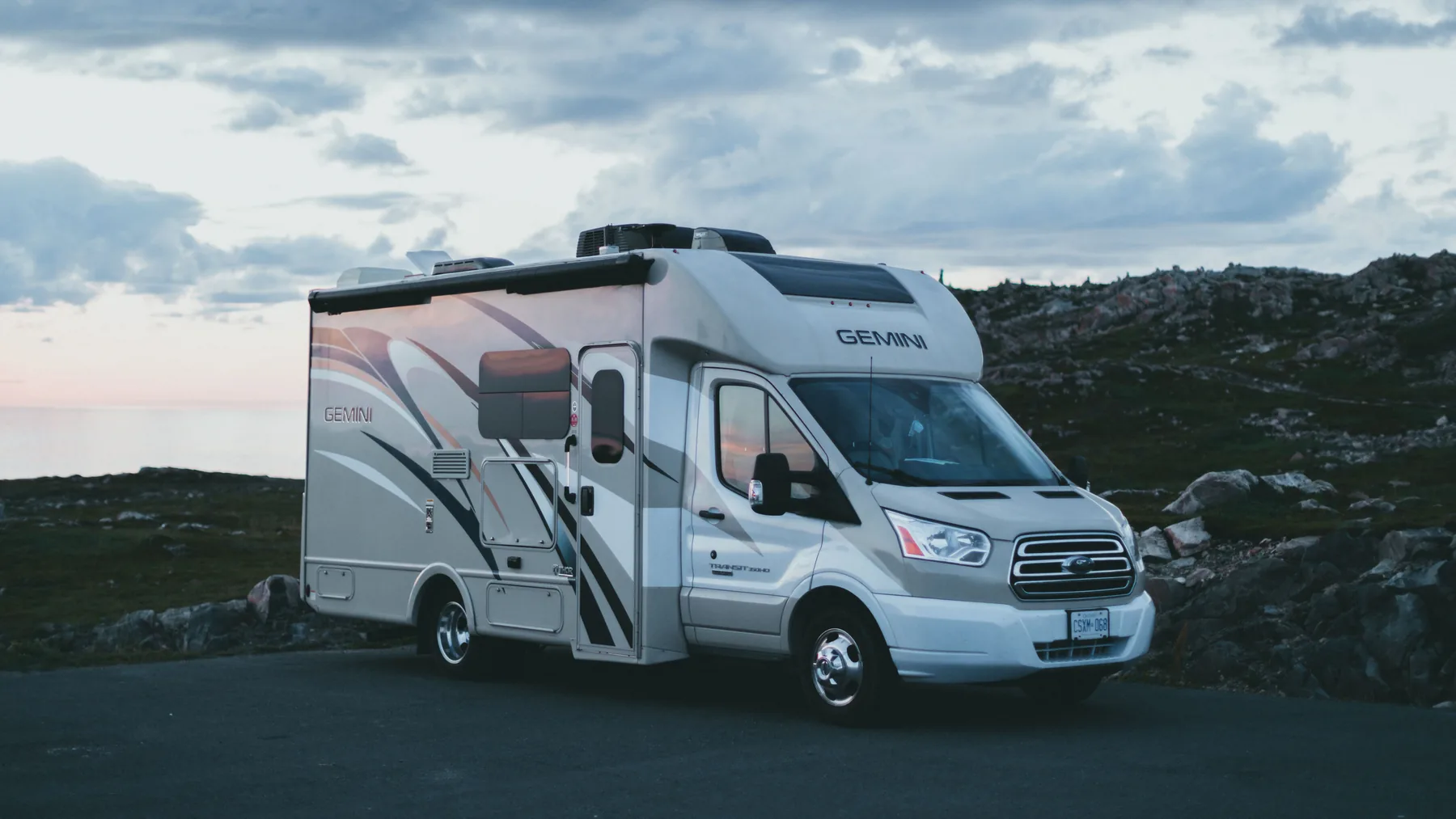
An RV parked in the Yuma desert is, from a rodent's point of view, a luxury resort. It offers shade from a merciless sun, shelter from monsoon storms, soft insulation to nest in, and often a few crumbs to eat. Mice, pack rats, ants, and the occasional scorpion will all take you up on the offer if you let them, and the damage they do, especially to wiring, is expensive and maddening to trace. Keeping pests out of your rig is one of the most overlooked parts of desert RV ownership. Here is how to win that fight in Yuma.
Out in the open, the desert around Yuma is a hard place to live. Ground temperatures soar, water is scarce, and predators patrol. Your RV solves all three problems at once, which is why a rig sitting still, particularly one stored through the summer while snowbirds head north, is such a magnet. The Foothills and the farmland edges toward Somerton and Gadsden have healthy rodent populations, and they are constantly testing every parked vehicle for a way in. Understanding that pressure is the first step; these animals are not occasional visitors, they are actively looking.
A mouse needs a gap the width of a pencil, and an RV has dozens. The usual doorways are around the plumbing and wiring pass-throughs in the underbelly, the slide-out seals, gaps around the water heater and furnace vents, and the point where the power cord exits. Get underneath with a light and look for daylight and grease marks. Stuff larger gaps with copper mesh, which rodents will not chew through, and seal smaller ones with expanding foam or sealant. Keeping the underbelly intact is your single best defense, because most pests come up from below, not through the door.
Sealing helps, but pests also need a reason to try. Store no food in a rig you are leaving for the summer, not even canned goods a rat can smell around. Take out the trash, wipe down surfaces, and empty the pantry completely. Ants in particular follow the faintest sugar trail, so a single sticky spill can start an invasion. Park away from woodpiles, packrat middens, and dense brush where you can, and keep the awning area clear of the debris that gives bugs a staging ground. A clean, food-free rig is far less appealing than the neighbor's.
Droppings and a chewed cushion are annoying, but the damage that actually hurts is electrical. Rodents love to gnaw the insulation off 12-volt wiring and even chew through water lines, and the results range from mysterious electrical faults to a slow leak rotting your floor. A short caused by bare wire can be genuinely dangerous. This is why a summer pest problem often shows up in the fall as a system that will not power on for no obvious reason. If you suspect rodents have been living in your rig, it is worth having the wiring and plumbing inspected before you trust the coach again.
The owners who stay pest-free treat it as a habit, not a one-time job. They check seals a couple of times a season, refresh copper mesh and deterrents, keep the rig clean, and pop the hood periodically during storage to look for nests, since engine bays on motorhomes are a favorite. Peppermint and electronic deterrents can help at the margins, but they never replace physical exclusion. For general guidance on protecting stored vehicles from rodents, university extension programs such as the University of Arizona Cooperative Extension publish practical tips at extension.arizona.edu. Seal it tight, keep it clean, and the Yuma desert can keep its critters outside where they belong.
The usual desert cast: pack rats and mice looking for shade and nesting material, ants marching in after anything sweet, plus the occasional scorpion or spider seeking cool, dark hiding spots. Rigs stored over the brutal summer are the most vulnerable, because a shaded, still RV is far more comfortable to a desert critter than the open Foothills ground around it.
Yes. Rodents chew wiring, water lines, and insulation, and we repair that damage on-site across Yuma, Somerton, and the Foothills, then help you seal the entry points so it does not happen again. Catching chewed wiring early matters, because a gnawed 12-volt line can cause shorts or leave a system dead with no obvious cause.
RV Roof Maintenance in the Desert: Stop Leaks Before They Start — Mobile RV repair that comes to you across the Yuma area.