Home > Blog > Maintenance
Desert Cooling • August 28, 2026
How to Keep Your RV Cool in Yuma, AZ Summer Heat
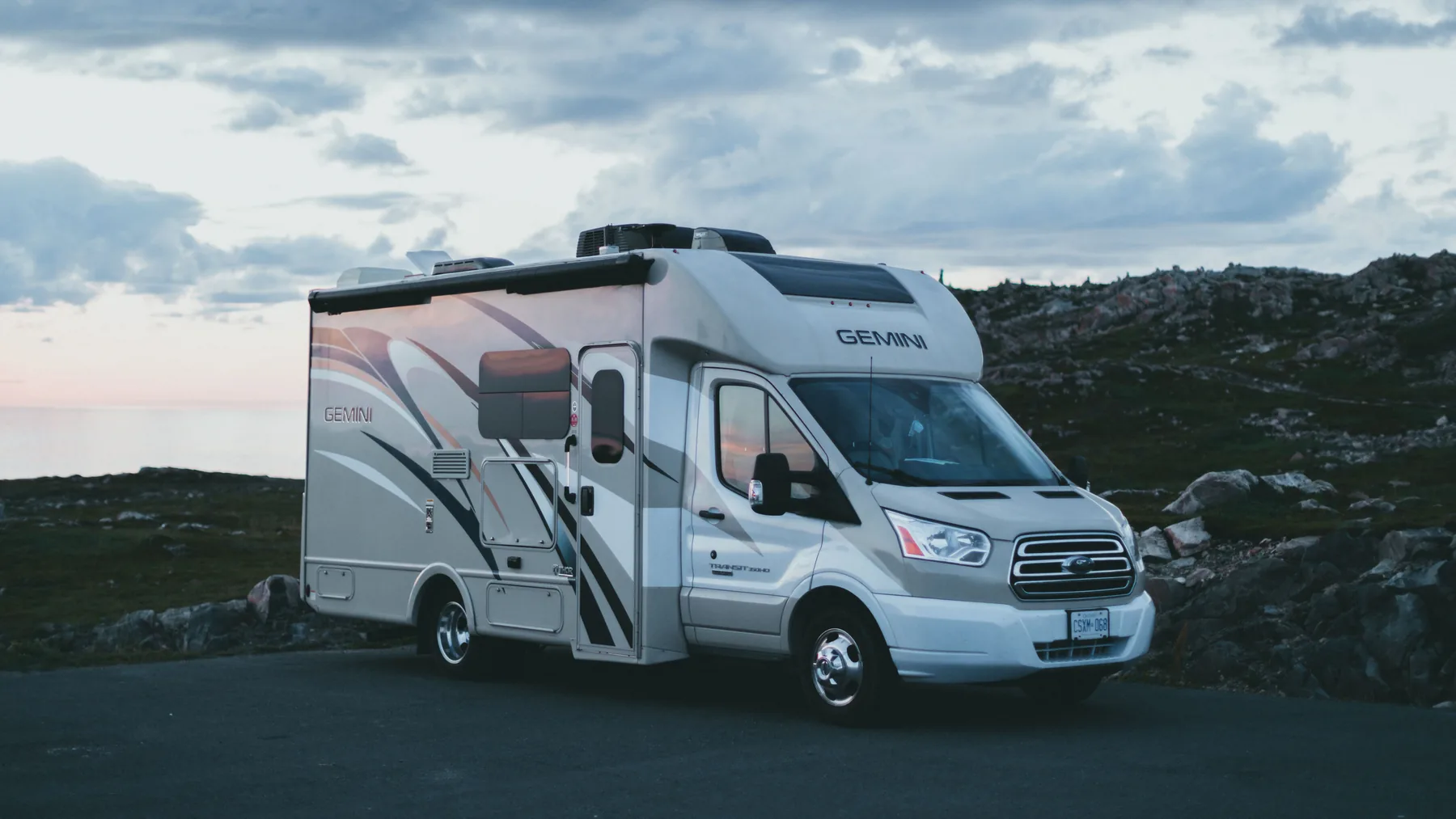
Summer in Yuma is not like summer anywhere else. Daytime highs park themselves above 110 for weeks, the Foothills radiate heat well after sunset, and an RV sitting in open sun turns into an oven by mid-morning. Keeping a rig genuinely livable through a Yuma July takes more than flipping on the air conditioner and hoping. It takes a layered plan that attacks heat before it ever gets inside. Here is how the snowbirds who stay late and the full-timers who tough it out actually do it.
A single rooftop air conditioner is sized for a warm afternoon, not a 115-degree assault. Once the outside temperature climbs past the unit's comfort range, it runs nonstop and still cannot pull the cabin below the mid-80s. That constant cycling wears the compressor and spikes your power bill at the park. The rigs that stay comfortable in Yuma almost always run two units, or pair one strong unit with aggressive heat-blocking so the AC only has to handle what gets past your other defenses.
Nothing lowers interior temperature faster than keeping sun off the rig in the first place. Park nose-in so the smallest surface faces the afternoon sun, extend the awning on the hot side, and add a shade sail or carport if you are staying put for the season. Reflective covers on the windshield and windows of a Class A or C block a startling amount of radiant heat, since glass is where most of it sneaks in. Many Yuma parks in the Foothills and out by Fortuna have mature trees or ramadas for a reason; use them.
Heat pours in through gaps you cannot see. Check the seals around slide-outs, vents, and the entry door, and add foam board or Reflectix in roof vents you are not using. A light-colored, well-sealed roof reflects instead of absorbs, which is one more reason desert roof maintenance pays off. Insulating the skylight over the shower and covering it during the day keeps a surprising amount of heat out of the bathroom, which otherwise becomes the hottest room in the coach.
Even a good cooling setup fails if the units are neglected. Yuma's monsoon dust clogs condenser coils and filters faster than most owners expect, and a dirty coil can cut output by a third. Pull and rinse the filters monthly in summer, gently clean the rooftop coils, and make sure the shroud is intact so the fan pulls air correctly. If a unit is freezing up, blowing warm, or tripping the breaker, that is a service call, not a maintenance task, and it is worth handling before a heat wave rather than during one.
Vent fans that exhaust hot air while you run the AC create airflow that makes the whole rig feel cooler. Cook outside on the worst days so you are not dumping stove heat into the cabin, and run heat-making chores like laundry in the early morning. Precool the RV before the afternoon peak rather than trying to claw temperature back at 4 p.m. when the Foothills are radiating. None of these tricks is dramatic on its own, but stacked together they are often the difference between comfortable and miserable.
If your rig cannot hold a livable temperature no matter what you do, something mechanical is usually the culprit: a tired compressor, low charge, a failing capacitor, or coils packed with desert dust. In Yuma that is not a wait-a-week problem, because a dead AC in summer is a genuine safety issue for older snowbirds and pets. Mobile service means we come to your park or resort, diagnose on-site, and get you cool again without a tow across town. For manufacturer guidance on RV air conditioner care, Dometic publishes maintenance basics at dometic.com. Beat the heat with a plan, keep the units clean, and know who to call when the desert wins a round.
Usually not on the worst days. A single 13,500 BTU unit struggles once Yuma climbs past 110, especially in a longer fifth-wheel or Class A. Most full-timers here run dual units, add shade and reflective window covers, and keep the coils clean so the AC is not fighting a losing battle against the Foothills sun.
Yes. We come to you at parks and resorts across Yuma, Fortuna Foothills, and out toward Wellton and the Foothills, so you do not have to break camp and tow an overheating rig across town in July. Same-area mobile service is the whole point when it is too hot to move.
RV Roof Maintenance in the Desert: Stop Leaks Before They Start — Mobile RV repair that comes to you across the Yuma area.