Home > Blog > Seasonal
Seasonal • August 24, 2026
How to Winterize Your RV in Yuma, AZ
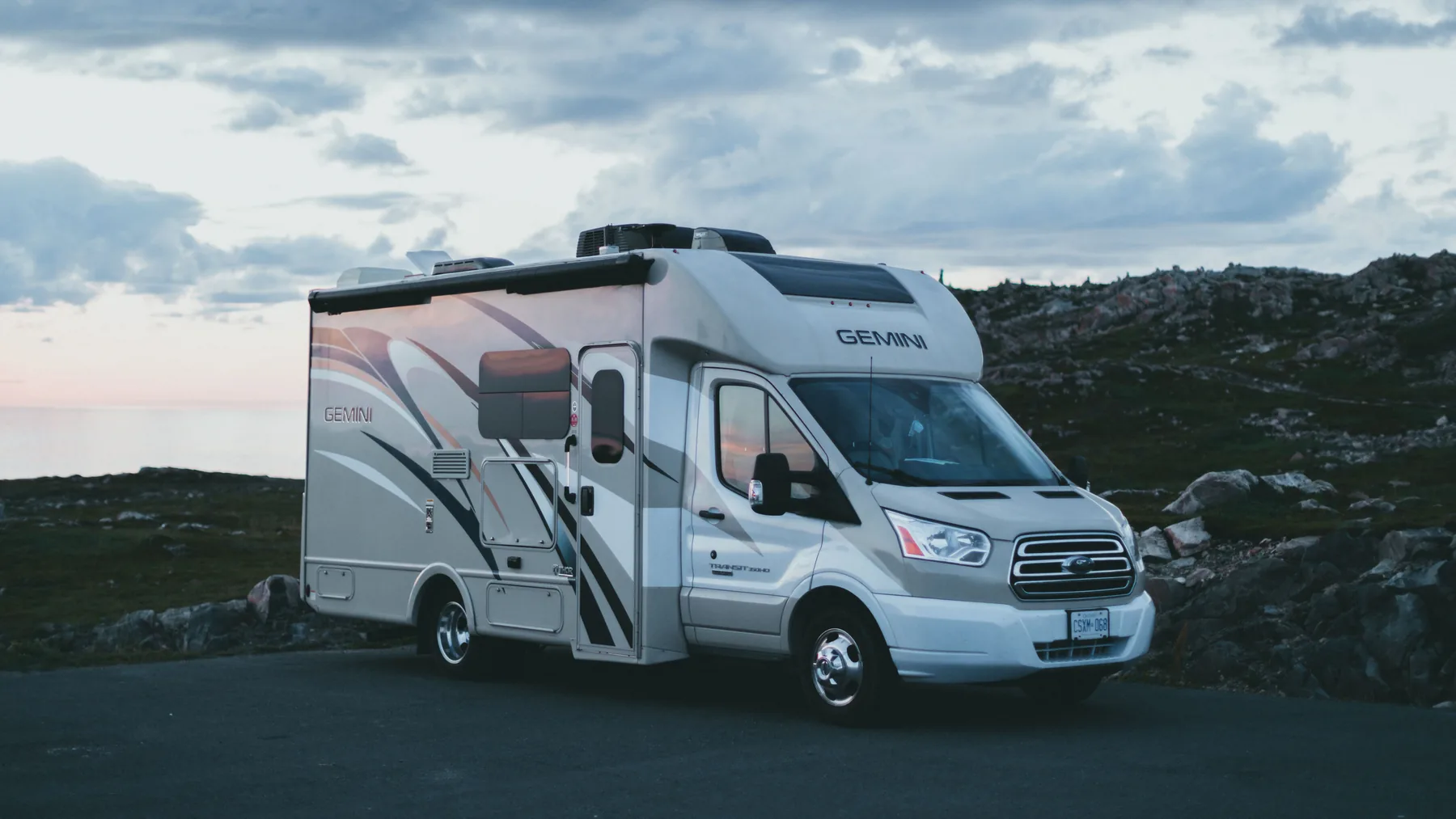
Ask ten RVers in a Yuma park whether they winterize and you will get ten different answers, because winterizing means something completely different in the low desert than it does in the mountains. Up north, winterizing is survival: antifreeze in the lines or the plumbing splits. Here in the Yuma Foothills, where January afternoons often hit the seventies, most winter visitors never touch it. The trick is knowing which situation you are actually in, because there are a few times protecting your rig genuinely matters even in a place this warm.
Here is how we walk Yuma snowbirds and full-time desert RVers through the winterizing question.
Yuma is one of the sunniest, driest places in the country. Our winters are the whole reason tens of thousands of snowbirds roll down I-8 every year and fill the resorts from Fortuna Foothills to the Somerton and Gadsden areas. Overnight lows occasionally flirt with freezing on the coldest desert nights, but a sustained hard freeze that would burst an RV water line is rare. That single fact is why the standard northern winterizing routine usually does not apply to an RV that is lived in here all season.
If you are staying in the rig through the winter, your plumbing is in use every day and the interior stays warm. There is nothing to winterize. What you should do instead is protect against the rare cold desert night: keep a little heat on, leave a cabinet door open under the sink so warmth reaches the pipes, and disconnect and drain your fresh-water hose overnight since that thin hose outside is the one thing that can freeze while the rest of the coach is fine. That is desert cold-weather prep, not true winterizing.
There are two real scenarios. The first is if you park the RV and leave it empty during a cold stretch, say you fly home for a few weeks. With no interior heat and no water moving, an unusually cold Foothills night could reach an exposed line. The second, and far more common, is the spring departure: you are driving the rig back to Colorado, Montana, the Dakotas, or the Pacific Northwest, and your route climbs into country that is still freezing at night. Yuma is warm, but Flagstaff, the high desert, and points north are not.
When it is time to protect the plumbing, the process is straightforward but easy to get wrong. Drain the fresh tank, the gray and black tanks, and the water heater completely. Bypass the water heater so you are not wasting antifreeze filling a ten-gallon tank. Open every faucet, low-point drain, and the toilet valve, then run non-toxic RV antifreeze through the system with the water pump or a hand pump until pink fluid shows at every fixture, including the outdoor shower and the icemaker line if you have one. Do not use automotive antifreeze anywhere near your fresh-water system. Miss one low-point drain and that is exactly where the crack shows up.
Here is the twist unique to Yuma. Our damaging season is not winter, it is summer. Snowbirds leave in April and the rig bakes in 110-plus heat for months. That does not require antifreeze, but it does require its own prep: drain and sanitize the fresh system so it does not turn foul, prop the fridge open, cover or shade the roof and seals from relentless UV, treat the tires against sun rot, and pull the batteries or keep them on a maintainer. Plenty of the plumbing and seal failures we fix in the fall trace straight back to a rig that sat unprotected through a Yuma summer, not a Yuma winter.
Because most Yuma RVs are parked in a resort space, a Foothills lot, or long-term storage, hauling the rig to a shop just to run antifreeze through it makes little sense. This is a job that comes to you. We handle it at your pad, whether you are in a park off the I-8 corridor, out toward Wellton and Tacna, or down near San Luis, and we can combine it with a quick seal and roof check before you head out so nothing surprises you three states into the trip.
To keep it clear: living in it this winter in Yuma, do not winterize, just guard the outside hose on cold nights. Leaving it empty during a cold spell, do a basic drain and add antifreeze to be safe. Driving it back to freezing country in spring, fully winterize before or as you climb north. Storing it here through summer, summerize for heat and UV instead. Match the prep to the real risk and your rig comes through every Yuma season in good shape.
Winterizing in Yuma is less about fighting the cold and more about knowing when the cold is coming, usually somewhere up the road rather than here. Get the timing right and you spend almost nothing protecting a rig that would cost thousands to repair from one frozen line. If you are unsure which category you fall into this season, that is exactly the kind of thing we sort out in a five-minute conversation before you commit to any work.
A lot of Yuma winter visitors do not stay put all season. They run up to see family for the holidays, take a two-week trip back home, or bounce between Yuma and a spot in California or elsewhere in Arizona. Those gaps are exactly where rigs get caught. The coach sits empty and unheated for a stretch, and even in our mild climate an unattended cold night can nip an exposed line if the plumbing is full. If you know you will be away for more than a few days during a cooler part of winter, the safe move is a partial winterize: drain the fresh tank and lines and add a little antifreeze to the traps, then refill and sanitize when you return. It is a small hassle that beats coming back to a leak under the floor.
One more Yuma-specific factor worth mentioning while we are on the plumbing. Water in the Yuma Valley runs hard, and mineral scale builds up in water heaters and lines over a long season of use. When you drain the system for a trip north or for summer storage, it is the perfect moment to flush the water heater tank and clear the sediment that our hard water leaves behind. Doing that at the same time as winterizing or summerizing kills two birds at once and keeps your hot water flowing strong. We often handle the flush, the antifreeze, and a quick seal check in a single visit so the rig is fully squared away before it sits or before it hits the highway.
At the end of the day, the reason to get the winterizing question right in Yuma is not the antifreeze itself, it is the peace of mind. A frozen, split water line does not announce itself; you find it when you turn the pump on and water sprays inside a wall or under the floor, often far from home and far into a repair bill. Spending a little time matching your prep to your actual plans, staying put, traveling north, or storing through the heat, means you never have to wonder what the coach is doing while you are not looking at it. That confidence is worth more than the hour the job takes, and it is exactly why so many Yuma RVers make it a standing part of their seasonal routine.
If you are living in the rig through the winter here, no. Yuma rarely dips to a hard freeze, so an active winter visitor keeps the water system running normally. Winterizing matters in two cases: when you leave the RV parked and empty over a cold snap, and when you point it back toward colder country in spring.
The danger is on the road home, not in Yuma. If your route crosses high desert or northern states before the plumbing is protected, a single freezing night can split a water line or crack the water pump. Winterizing before departure, or the moment you reach cold territory, prevents an expensive surprise.
RV Roof Maintenance in the Desert: Stop Leaks Before They Start — Mobile RV repair that comes to you across the Yuma area.