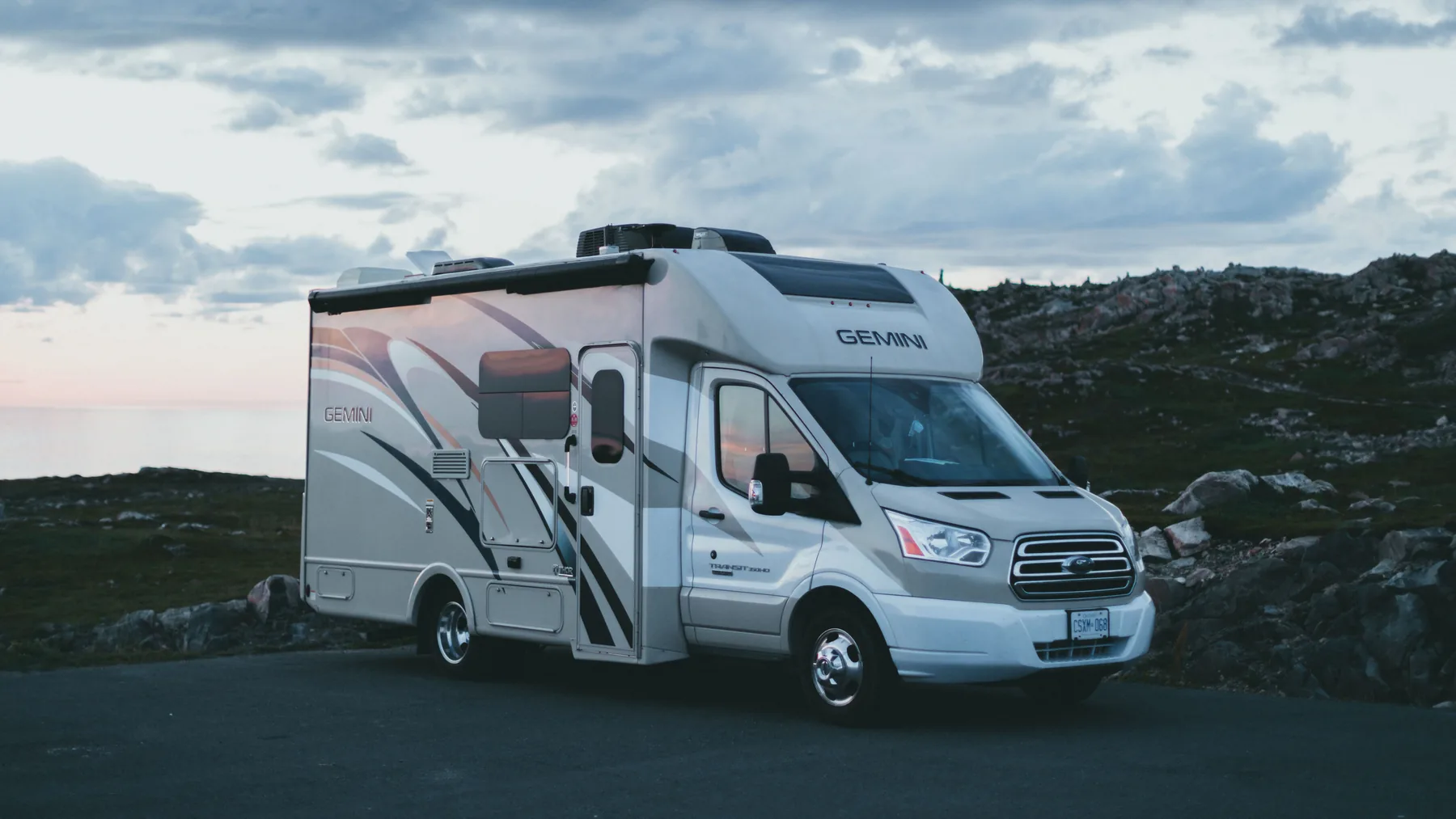
Few things end a good morning at a Yuma RV park faster than turning on the tap and getting nothing but a sputter and the sound of a pump running itself ragged. Water pump problems are one of the calls we run most often across Yuma, the Foothills, and out toward Wellton and Somerton, especially once the winter-visitor season fills the parks and every rig is running its plumbing hard. The good news is that most no-water and low-pressure complaints trace back to a short list of causes, and the majority are fixable on-site in one visit. This guide walks through what is actually going wrong when your RV water pump quits in the desert, what you can safely check yourself, and when it is time to have a mobile tech come to you.
Before blaming the pump, confirm you actually have water to pump. Yuma’s dry, hot air empties a fresh tank faster than most snowbirds expect, and a surprising number of no-water calls turn out to be an empty or near-empty tank with the pump gamely trying to move air. Check your tank level, and if you are on city water at a full-hookup site, confirm the hose is pressurized and the bypass is set correctly. If the tank has water and the pump still will not deliver, then we start looking at the pump, the lines, and the switch. Ruling out the simple stuff first saves everyone a service call.
When a pump runs but water only trickles or comes in bursts, an air lock is the usual suspect. Air gets into the system when the tank runs dry, when a fitting on the intake side loosens from washboard roads on I-8, or after the rig has sat through the off-season. The fix is to purge the air: open the highest and farthest faucet, let the pump push the trapped air out until the flow turns steady, then work through the other fixtures. If the pump keeps losing prime a day later, that points to a small air leak on the suction side that needs to be found and sealed rather than just bled repeatedly.
Every RV pump has an inlet strainer, and out here it clogs more than owners realize. Yuma’s fine blowing dust finds its way into fresh tanks through vents and fills, and mineral content in refilled water leaves scale that collects on the screen. A partly blocked strainer starves the pump, so it runs hot, cycles oddly, and delivers weak pressure. Clearing or replacing that screen is a five-minute job once you know where it is, and it is one of the first things we check because it is so often the whole problem. Keeping the strainer clean is also the cheapest way to make a pump last through years of desert use.
If your pump rapid-cycles or chatters even when no tap is open, the issue is usually the internal pressure switch or a waterlogged accumulator, not a dead pump. A worn switch cannot settle on a shutoff pressure, so it hunts, clicking on and off in a way that is annoying at 6 a.m. and hard on the pump over time. Sometimes it is a tiny leak downstream bleeding pressure and telling the pump to restart. We diagnose by watching the cycle pattern and pressure, and depending on the pump either adjust or replace the switch, or install a small accumulator tank to smooth things out. Many older snowbird rigs benefit from that upgrade.
Sometimes it really is the pump. Motors burn out, especially ones that have been run dry repeatedly in the heat, and diaphragms crack with age. If there is 12-volt power at the pump, the tank has water, the strainer is clear, and it still will not move water or make a sound, replacement is the answer. This is routine mobile work: we carry common 12-volt RV pumps on the truck, and swapping one at your site in the Foothills or at your resort usually takes under an hour. We match the flow and pressure rating to your rig so you are not left with a pump that is too weak for a full-length coach or so strong it hammers the lines.
It is worth understanding why this system fails more here than in milder climates. Extreme heat degrades diaphragm rubber and seals faster. Running a tank dry — easy to do when the desert air disguises how fast you are using water — lets the pump run without the cooling and lubrication that water provides. Dust and mineral scale accelerate strainer clogs. And the long tow in on rough highway shakes fittings loose. None of it is a defect; it is just the environment. For manufacturer guidance on pump care, most makers such as those covered by the RV Industry Association’s owner resources recommend winterizing properly and never running the pump dry, both of which matter double in Yuma.
The reason water pump trouble is such a good fit for mobile service is that you should not have to break camp and tow a coach across town for a part the size of a lunchbox. We come to you — Yuma proper, Fortuna Foothills, Somerton, San Luis, Wellton, and the resorts in between — diagnose the whole water system on the spot, and carry the pumps, strainers, switches, and fittings that solve the vast majority of these calls in one trip. If you are staring at a dry tap and a pump that will not cooperate, give us a call and we will get your water flowing again the same day.
If you want to try a few safe checks first, start here. Confirm the fresh tank actually has water and that your water-source valve is set to tank rather than city, or vice versa. Make sure the pump’s 12-volt switch is on and that your battery is not run down — a weak house battery on a hot Yuma afternoon can leave the pump too low on voltage to build pressure. Open the highest faucet and listen: steady flow after a few seconds of sputter usually means you just cleared an air lock. If the pump is silent with the switch on, or runs nonstop with no water after these steps, stop there and let us take it from the strainer and switch inward, since going further often means opening fittings that are easy to cross-thread.
That is almost always an air lock or a dry tank. In Yuma’s dry heat the fresh tank drops faster than snowbirds expect, and a pump sucking air will cycle without moving water. If the tank has water, we bleed the air by opening the highest faucet until it sputters and flows, then check the intake line and filter screen for a clog or a loose fitting that is letting the pump draw air instead of water.
Yes — water pumps are one of the most common mobile calls we run across Fortuna Foothills, Somerton, and the Yuma resorts. We carry common 12-volt pumps, strainers, and fittings on the truck, so most no-water problems are diagnosed and repaired in a single visit without you moving the rig.
RV Roof Maintenance in the Desert: Stop Leaks Before They Start — Mobile RV repair that comes to you across the Yuma area.