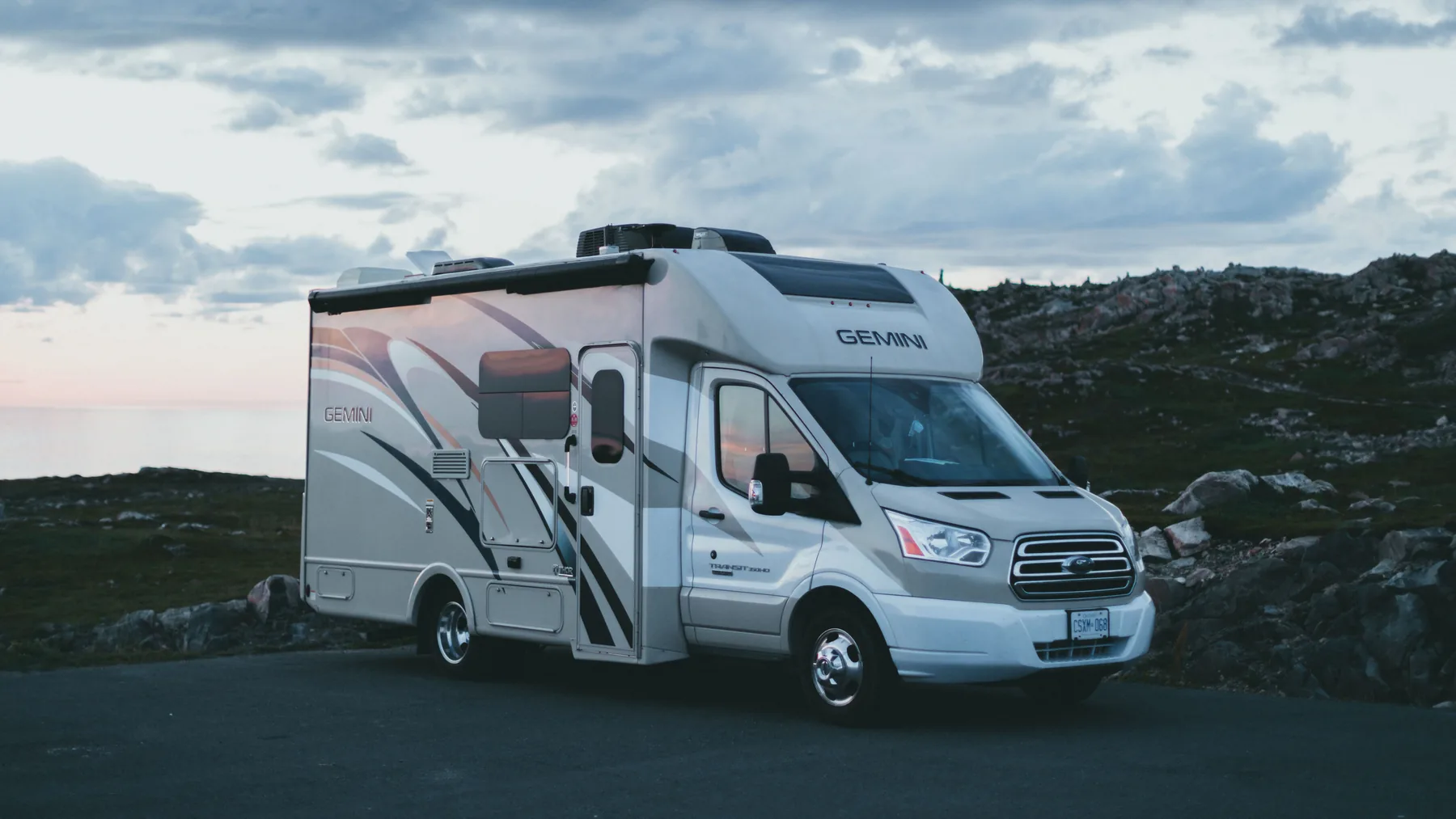
Propane runs the heart of most RVs parked around Yuma: the furnace on those surprisingly cold desert nights, the water heater, the cooktop, the fridge on gas mode, and sometimes a generator. It is safe, reliable fuel right up until it is not, and because it pools low and can ignite, a propane problem is the one RV issue we never treat casually. Whether you are a winter visitor settling into a Foothills resort for the season or a full-timer near the Colorado River, this guide covers how RV propane systems fail, the warning signs Yuma owners should watch for, and what a mobile technician actually checks.
Your coach carries propane in one or two refillable tanks, feeding a regulator that steps the pressure down to what your appliances need, then distributing it through copper and rubber lines to each unit. Every joint, hose, and appliance connection is a potential leak point, and desert conditions in Yuma are hard on the rubber components in particular. UV, heat cycling from 40-degree nights to 110-degree afternoons, and simple age turn flexible hoses brittle faster here than in milder climates. A system that was tight when a snowbird left Minnesota in October can develop a weep by February.
The obvious one is smell. Propane is odorless, so refiners add a rotten-egg or skunk scent specifically so you notice a leak. If you smell that in or under your rig, shut the tank valve, get everyone out, and do not flip a switch or light anything. Other signs are subtler: appliances that will not stay lit, a furnace that clicks but will not fire, yellow or lazy burner flames instead of crisp blue, soot around a vent, or a propane detector that keeps chirping. In the Yuma heat, a fridge that cools on shore power but quits on gas often points to a propane delivery or regulator issue rather than the fridge itself.
Smell propane or have an appliance that will not light? Do not guess with gas. We come to your site anywhere in the Yuma area with leak-detection gear. Call (615) 241-0232.
The two-stage regulator is the component we replace most on older rigs here. When it wears out you get inconsistent pressure, which shows up as appliances that work sometimes and sputter other times. Regulators also have a vent that must point down and stay clear; Yuma blowing dust and the occasional monsoon mud can clog it, and a wasp or spider can nest inside a vent over a hot summer while a rig sits in storage. Part of a proper mobile service is pulling covers, checking the regulator vent, and confirming the delivered pressure with a manometer rather than assuming.
A manometer leak-down test is the gold standard for confirming a system is tight. A technician connects to the low-pressure side, pressurizes the system, shuts the supply, and watches whether the pressure holds over several minutes. If it drops, there is a leak somewhere, and then it is a matter of soaping every joint to find it. This is the test we run before we ever tell a customer their propane system is safe, and it is exactly the kind of check that is easy to skip and dangerous to skip. The National Fire Protection Association standards that govern RV LP systems exist precisely because propane leaks are a leading cause of RV fires.
If your rig sits through the brutal Yuma summer in storage and you return in fall, treat the first propane startup with respect. Before that first cold-night furnace run, it is worth having the system inspected: check hoses for cracking, confirm the detector still works and is within its expiration date, clear any nests from vents and burner assemblies, and run a leak-down test. Detectors have a service life of about five to seven years and quietly stop protecting you after that, which is one of the most common things we find on winter visitors coaches.
Most propane work does not require a shop. We replace regulators, rubber pigtail hoses, and appliance gas valves, reseat leaking fittings, clear and re-seat detectors, and diagnose furnaces and water heaters that will not light, all at your site in Fortuna Foothills, Somerton, San Luis, Wellton, or wherever you are parked. Coming to you matters with propane because we would rather you not drive a rig with a suspected leak anywhere.
Propane is nothing to fear when the system is maintained, but it rewards attention and punishes neglect. If anything about your RV gas system seems off, the safe move is always to shut the tank and call before you troubleshoot.
Yuma summers are their own hazard for a stored rig. Surface temperatures on a coach baking in a storage lot climb high enough to stress every rubber and plastic component in the gas system, and tanks left in direct sun build internal pressure that trips the relief valve. If you store your RV here over the summer while you head north, close the tank valves fully, keep the rig shaded or covered where you can, and plan on a full propane inspection before the first use in the fall. We see more heat-aged hoses and stuck relief valves coming out of Yuma summer storage than from any other single cause.
A basic mobile propane inspection with a leak-down test is one of the more affordable services we offer, and it is money well spent for the peace of mind. Replacing a regulator or a set of pigtail hoses adds parts cost but is still a quick, same-visit job. The expensive scenario is the one nobody wants: a leak that was ignored. Compared to the risk, seasonal propane checks are cheap insurance, especially for winter visitors trusting the furnace through a run of cold desert nights. We always quote the inspection and any needed parts up front before we start.
Yuma Elite RV Repair runs proper leak-down tests and replaces regulators, hoses, and gas valves on-site.
Shut the tank valve immediately, get everyone out, and do not light anything or flip any switches. Then call for a mobile technician to run a leak-down test and find the source before you use the system again.
At least once a season, and especially after summer storage in Yuma. Desert heat and UV age rubber hoses quickly, and dust or insect nests can clog regulator vents while a rig sits.
Why Your RV AC Can't Keep Up in the Yuma Heat (and How to Fix It) — Mobile RV repair that comes to you across the Yuma area.